
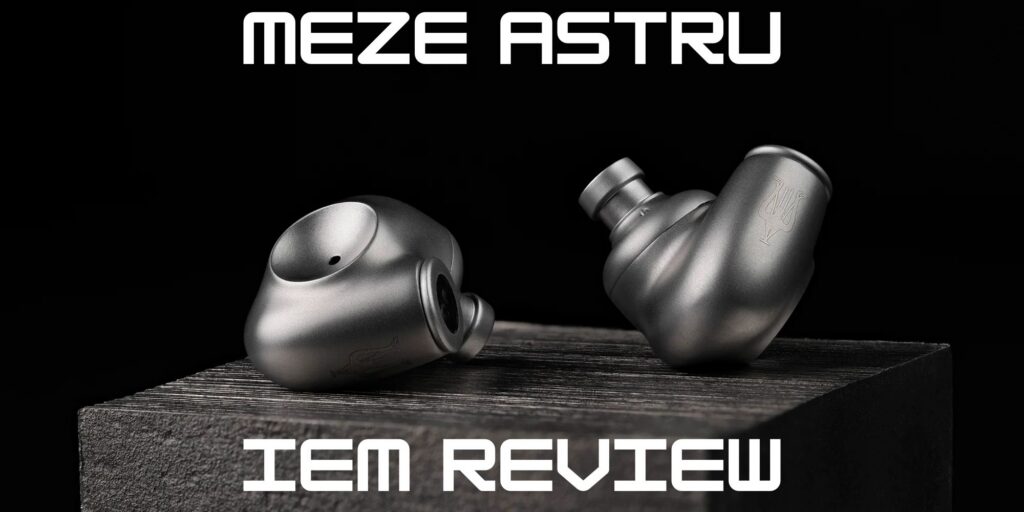
Meze has been a favorite for the over-ear headphone market for years now. They are especially competitive in the ~$500-1000 price point with great headphones like the 105 AER, 105 Silva, and 109 Pro. While the company did have a sub-$200 IEM before the Astru, the Alba, this new product shoots for the same price range as the 109 Pro. Does it provide that same great Meze audiophile sound?
What You Get In the Box
- Meze ASTRU Earphones
- Premium cable with gold-plated 4.4 mm balanced termination and CNC-anodized aluminum hardware
- 4.4 mm to 3.5 mm adapter
- Ear tips: 5 sizes (XS–XL)
- Carry solutions:
- 1 protective pouch
- 1 soft PU leather envelope
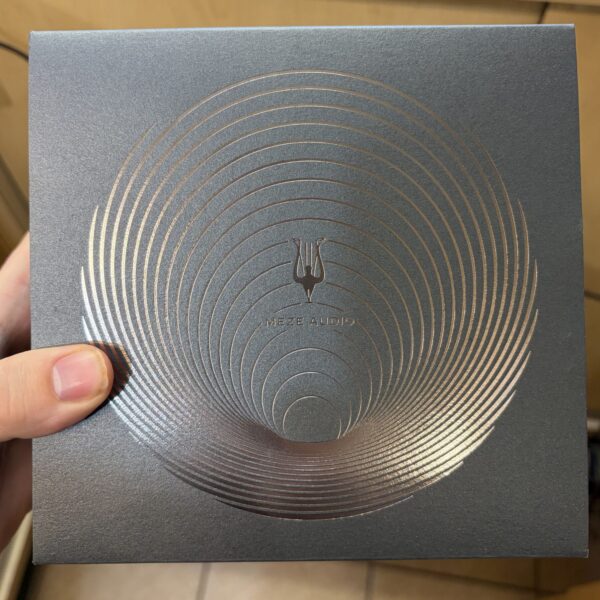
The Astru comes with audiophile quality accessories within its stylish box. Its cable is very high quality and fits nicely around your ears; much better than a lot of IEM’s l’ve tried. The 4.4mm connector is great for those who use a mobile DAC/AMP such as the Fiio BTR17 which I used while listening to the Astru during this review. They are very portable and very easy to drive. The broad selection of eartips also ensures that they are ready to use fresh out of the box if you don’t want to use any third party tips (which are easy to apply).
Design and Build
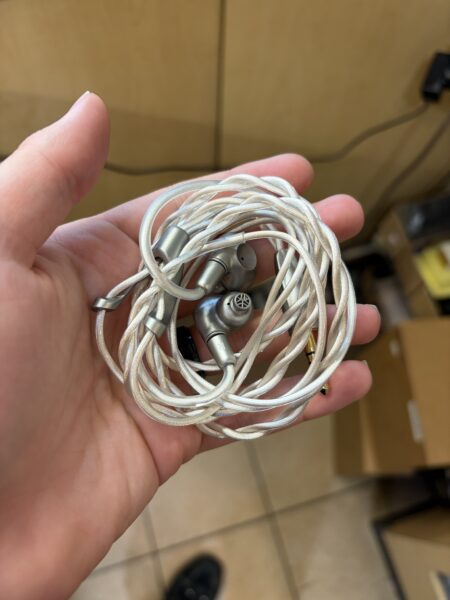
The Astru has a sleek design that catches the eye with its quality without being overtly flashy with any complex designs or bling. It has a nice silver finish, made of genuine titanium that just premium. I was worried that these materials would make the Astru heavy or uncomfortable, but couldn’t have been more wrong. They are incredibly light at just 13.4g. Each side fits in the ear quite nicely with the right tips and you barely notice them after some adjustment, even after prolonged use.
Technical Specifications
- Driver: 10 mm dynamic driver
- Frequency Response: 5 Hz – 35 kHz
- Impedance: 32 Ω
- Sensitivity: 111 dB SPL/mW (at 1 kHz)
- THD: <0.1% (at 1 kHz)
- Connector: 2-Pin
- Weight: 13.4 g (0.47 oz)
Listening Review
Sound-Staging/Imaging
The Astru provides that up-close, intimate and isolating soundscape that proponents of IEMs love, without becoming so narrow that the sound becomes too cluttered. Sonically, the Asura are actually quite wide for an IEM, providing a good balance of stereo imaging on all fronts.
The Astru is powered by a single dynamic driver, unlike a lot of other IEMs at this price point. However, I didn’t notice any loss in definition in the sound. The single-driver gives the Asura a nice, flat frequency response which would be great for studio use if you want a truly honest IEM for producing or mixing.
Bass Frequencies
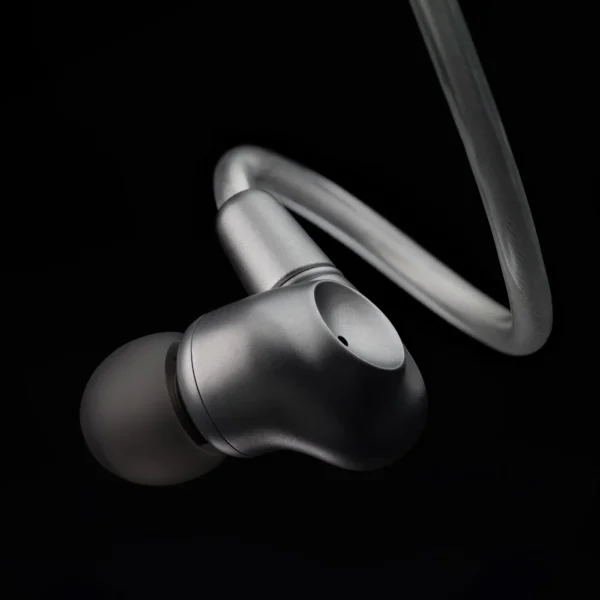
The bass in the Asura is nice and punchy. You really feel the kick drums and bass lines within tracks, and low pass filters are very kind to the IEM. That doesn’t mean that the bass is overpowering, however; it’s only strong relative to the Asura’s relatively flat frequency response. They actually have a vent in the back (which are visible in the photos pictured above). Meze claims that this vent allows “unrestricted low-frequency driver excursion for extended sub-bass and bass output (below 200 Hz), while continuously relieving ear canal pressure for fatigue-free, long-term listening” on their website for the IEM. I found this sentiment to ring true in my listening experience and see it as a commendable design choice.
Mid Frequencies
The mids shine most brightly on the Asura’s, which makes sense when targeting a flatter frequency response as the mids are what the human ear is most sensitive to. Snares, guitars and vocals all ring strongly with great clarity and depth. The detail in busier tracks is also quite impressive. From a noisy track with scratchy guitars, to a beautifully orchestrated classical ensemble, you can rest assured that you’ll be able to hear the song as it was originally meant to be heard.
High Frequencies/Treble
The highs offer an experience you’d expect from a reference-aiming sound. They’re present but not overtly. You don’t lose them, but they aren’t the focus of the overall sound scape, serving as more of a complimentary experience to the mids. If you’re a fan of a brighter sound, that may sound disappointing, but if you like a flatter, more balanced sound it’s actually a definite plus.
Is it Worth The Price?
At an $899 price tag, the Astru is standing with harsh competition at a luxury bracket. Additionally, Meze is also competing with their own, far cheaper IEM, the Alba which is less than a quarter of the price ($169). In terms of the Astru vs the Alba, the Astru is genuinely a significant upgrade. The materials are better, the design is more appealing, the cable is far more premium, and they’re bound to last much longer with continual use. While the Alba does sound good, it’s far outmatched to the Astru in clarity and detail. If you can afford the difference, the Astru is definitely the way to go.
For its outsider competition, the Astru performs well, although it is a much closer match up. I would say its biggest competition is the Sennheiser IE 600, which has been around since 2022 and sits at the exact same price (when not on sale). It also uses a single dynamic driver and aims for a similar reference-targeted sound. Between the two, I would say the Meze wins in the overall design and look competition, but they both sound great sonically and in a very similar way. I would ultimately say their sound is down to preference, and I go back-and-forth on them depending on what music I’m listening to.
Final Thoughts
The Meze Astru is an impressive leap forward for Meze’s IEM output from the Alba that came before it, and a worthy contender within its price bracket for IEMs overall. From its sleek titanium design, to its detailed, reference-conscious sound, the Astru provides a quality and comfortable experience for long hours of listening. If you’re a fan of Meze’s sound and are still just getting into IEMs, I’d say this is the way to go. If you’re deciding between this and something like the Sennheiser IE 600, it’s a tougher decision and it’s hard to go wrong between the two. I would generally go with whichever you get a better deal on via sales, open box, etc.
You can buy the Meze ASTRU at Audio 46, as well as other Meze Products.
About Author
